About All Tours Catamaran ToursPrivate ToursFrom Punta Cana ToursBoat ToursSnorkeling ToursFrom Santo Domingo Tours Directions Hours & Fees
Find Tours 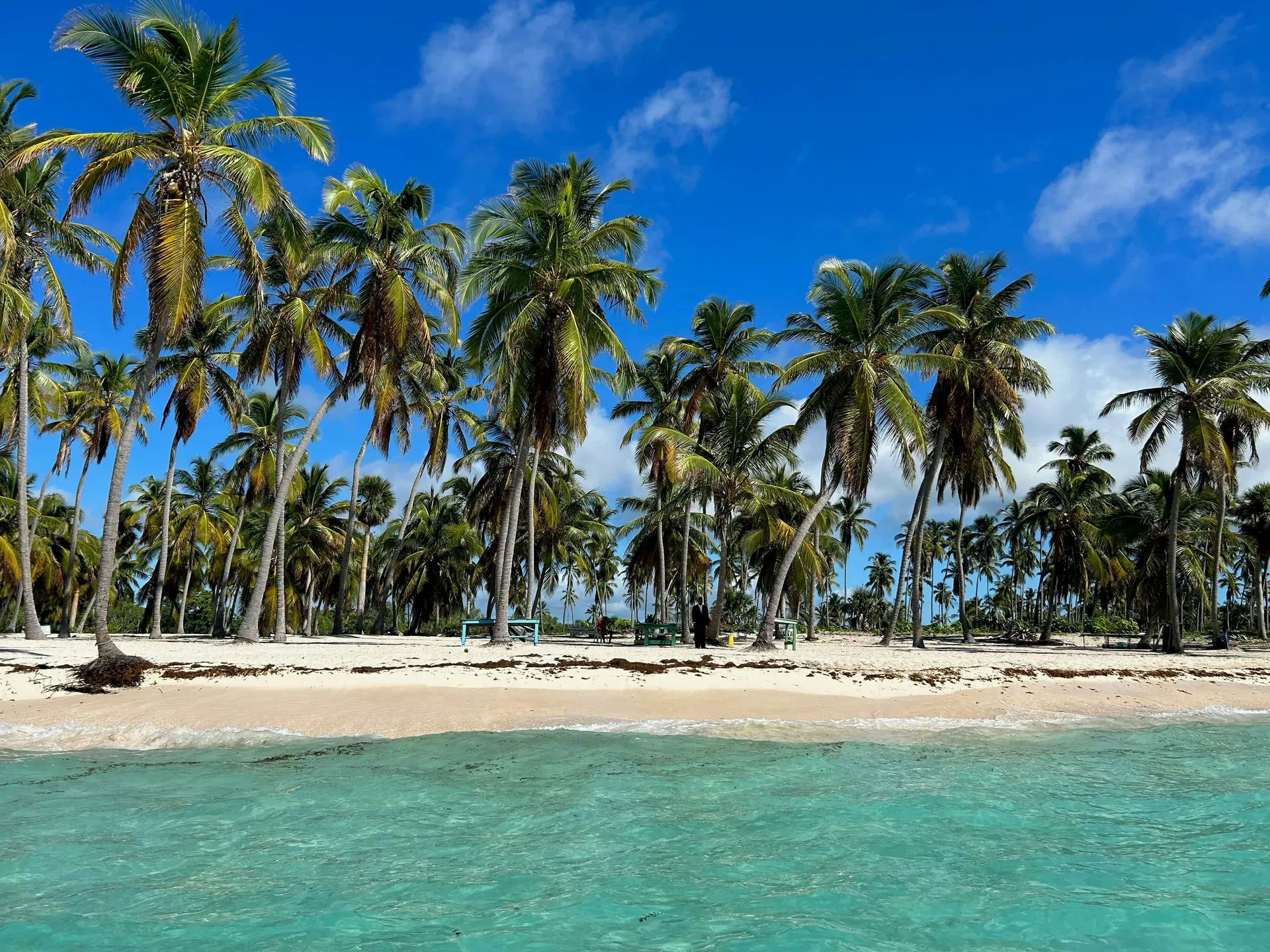
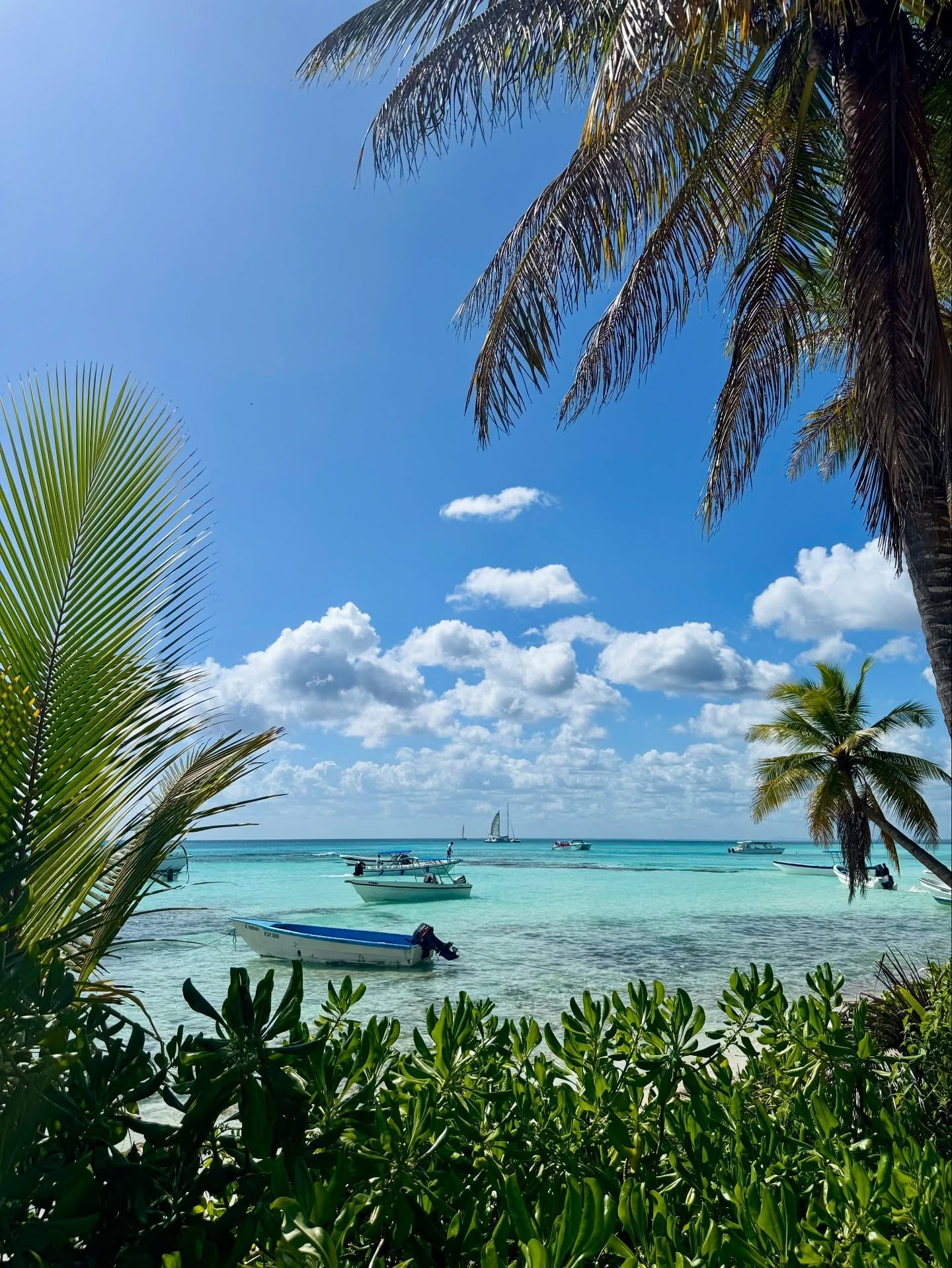
Saona Island spans 110 square kilometers off the southeastern coast of the Dominican Republic. This protected nature reserve draws over one million annual visitors to its white-sand beaches, mangrove forests, and shallow offshore sandbars.
Saona Island occupies 110 square kilometers of the Caribbean Sea just 1.5 miles south of the Dominican Republic's mainland. Forty-five percent of all national park visits in the country happen right here. Speedboats and catamarans transport over one million people annually from the Bayahibe marina to this flat, sandy expanse in the La Altagracia province. The terrain peaks at just 35 meters above sea level, making it highly vulnerable to storm surges during the Atlantic hurricane season.
Visitors step directly off boats into waist-deep water, as the island lacks formal docks or concrete piers. Loose sand covers almost the entire reserve. Wheelchairs and strollers sink immediately, making the standard group tours inaccessible for travelers with limited mobility. Rough ocean waves during the May to November rainy season often turn the 45-minute speedboat transit into a bone-jarring ride. Catamarans offer a smoother, two-hour alternative for those prone to motion sickness or back pain. Passengers on these larger vessels spend more time in transit but avoid the violent bouncing associated with the smaller craft.
Thick mangrove forests line the coastal edges, sheltering herons, pelicans, and frigatebirds. Inland, the Secucho and Los Flamencos lagoons hold reddish-brown water ringed by white foam. Most day-trippers never see these interior ecosystems. They stay on the southern beaches like El Abanico and Canto de la Playa, where tour operators serve grilled chicken and rice under giant coconut palms. The sand on these southern shores remains cool to the touch even at midday due to its high coral content. Pack reef-safe sunscreen and small bills for tipping the boat crew.
The Taíno people first inhabited this 25-kilometer-long landmass, naming it Adamanay. They heavily cultivated cassava across the flat terrain, shipping the starchy root back to the mainland to feed surrounding settlements. The island functioned as a vital agricultural hub long before European galleons appeared on the horizon. Christopher Columbus dropped anchor here in May 1494 during his second voyage across the Atlantic. He renamed the territory Bella Savonese to honor his Italian friend Michele da Cuneo. Da Cuneo subsequently became the island's first governor, though Spanish colonizers quickly disrupted the established Taíno agricultural networks. Disease and forced labor decimated the indigenous population within a few decades, leaving the island largely abandoned by its original caretakers.
Seventeenth-century maritime traffic transformed the island's secluded coves into strategic hideouts. Pirates and smugglers used the rugged northern cliffs and dense mangrove channels to evade colonial authorities. The 47-kilometer coastline provided ample blind spots for illegal cargo transfers. Ships could anchor safely in the deep waters offshore while crews stashed stolen gold, rum, and weapons in limestone caves. This illicit economy thrived for decades as European powers battled for control of the Caribbean. Naval patrols eventually pushed the buccaneers out of the region, leaving the island isolated once again. For the next two centuries, only small groups of transient fishermen utilized the beaches for seasonal camps.
The Dominican government integrated Saona Island into the Cotubanamá National Park in 1975. This legal designation banned overnight tourist accommodations and large-scale commercial development, ensuring the landscape remained largely untouched by the resort boom that transformed nearby Punta Cana. Today, only 300 permanent residents live on the island. Most occupy the fishing village of Mano Juan, a small settlement of brightly painted wooden houses lacking municipal plumbing. A naval base operates at Catuano to enforce environmental regulations and monitor boat traffic. Visitors arriving between June and November might encounter heavy tropical showers and rough seas, but they also gain the chance to see baby sea turtles hatching at the Mano Juan conservation center. Book a private charter early in the morning to beat the massive tour groups that arrive by midday.
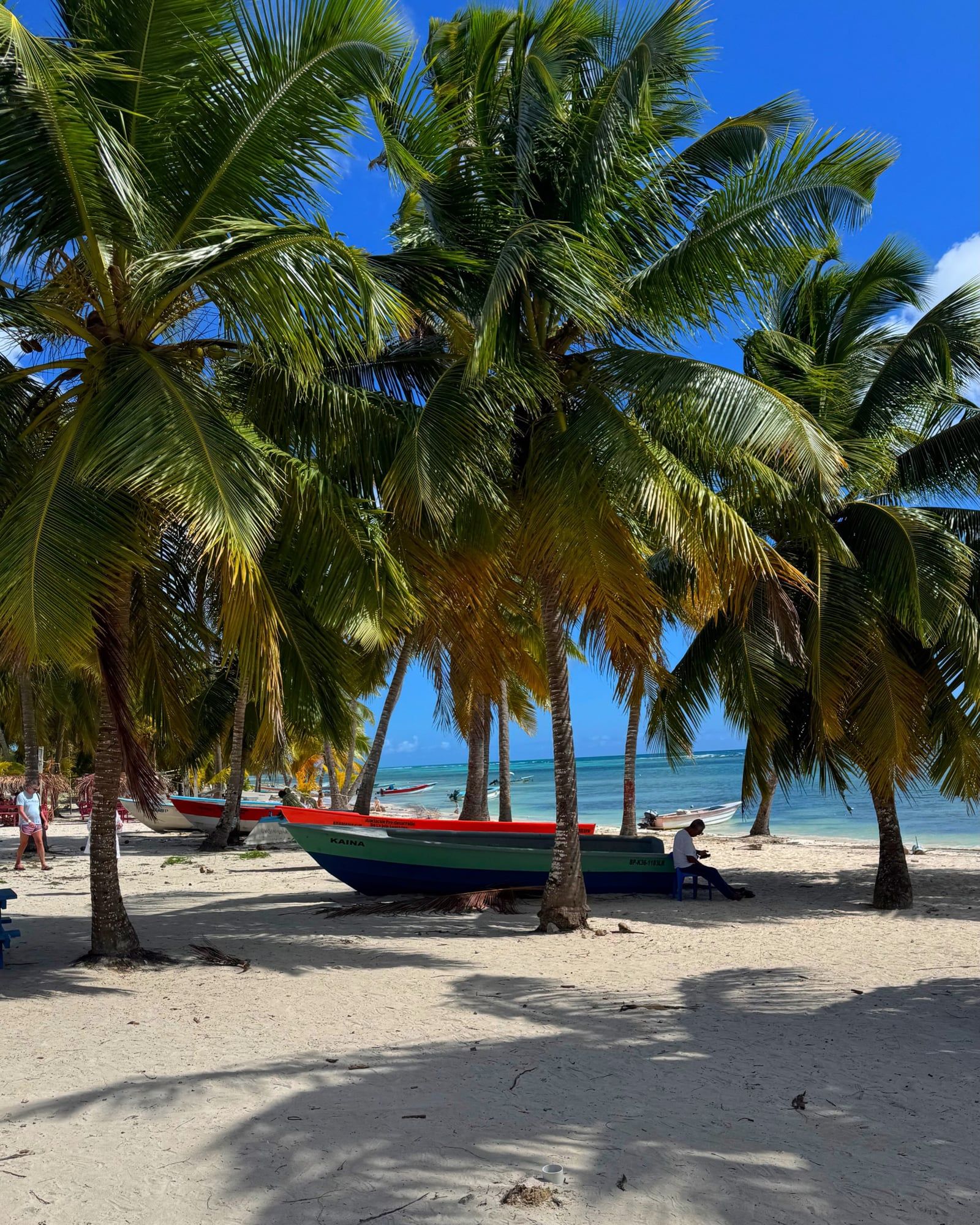
Saona Island stretches 25 kilometers long and 5 kilometers wide, creating a flat, 110-square-kilometer landmass. The highest point reaches just 35 meters above the Caribbean Sea. Loose white sand covers the southern beaches, including the popular El Abanico and the isolated Canto de la Playa. Rugged limestone cliffs define the northern shore, dropping sharply into deep ocean currents. Thick mangrove forests dominate the coastal margins, filtering water and providing a nursery for juvenile fish. Inland, the terrain shifts to dense jungle scrub and isolated water bodies that few tourists ever explore.
The Natural Pool, or Las Piscinas Naturales, sits far off the coast. This shallow sandbar allows visitors to stand in waist-deep, transparent turquoise water in the middle of the ocean. Wild starfish rest on the sandy bottom here. Lifting these creatures out of the water deprives them of oxygen and kills them within seconds. Local laws strictly prohibit touching or moving them. The water temperature in the pool hovers around 28 degrees Celsius year-round, making it a comfortable spot for extended swimming.
Two distinct lagoons break up the interior landscape. The Secucho lagoon and the Los Flamencos lagoon feature striking reddish-brown water, colored by natural tannins and algae. Large flakes of white foam often accumulate along their shores, creating a stark contrast against the dark water. The ground surrounding these lagoons consists of sharp, jagged limestone hidden beneath thick vegetation. Midges and mosquitoes thrive near these stagnant pools, especially during the rainy season. Apply high-quality insect repellent before hiking through the gnarled jungle branches to photograph these inland sites.
Saona Island functions as the Dominican Republic's most critical nesting site for endangered sea turtles. The local community in Mano Juan spearheads conservation efforts to protect hawksbill, green, and leatherback turtles. Villagers monitor the 47 kilometers of coastline, relocating vulnerable eggs to a secure sanctuary to prevent poaching and predation by wild dogs. This grassroots initiative has transformed the island's 300 permanent residents into frontline defenders of Caribbean marine life. Tourists visiting during the summer months often witness the release of hatchlings directly into the surf.
The island's pristine aesthetic has cemented its status in global pop culture. Major Hollywood studios have utilized the deserted-island landscape for decades. Location scouts selected these specific palm-fringed beaches to film scenes for Pirates of the Caribbean and the 1980 classic The Blue Lagoon. The lack of modern infrastructure, concrete hotels, and paved roads provides an authentic, untouched backdrop that mainland resorts cannot replicate. Commercial filming requires strict government permits to prevent damage to the protected coral reefs.
Mano Juan remains the only inhabited settlement. Its main street features colorful wooden houses running on solar power and diesel generators. Fishermen here maintain traditional coastal lifestyles, relying on small wooden boats to harvest snapper and mahi-mahi using hand lines. Tourists walking through the village can purchase handmade jewelry, coconut carvings, and natural coconut oil directly from the artisans. The local economy relies entirely on these daily visitor interactions. Bring small bills, as credit card machines do not exist here.
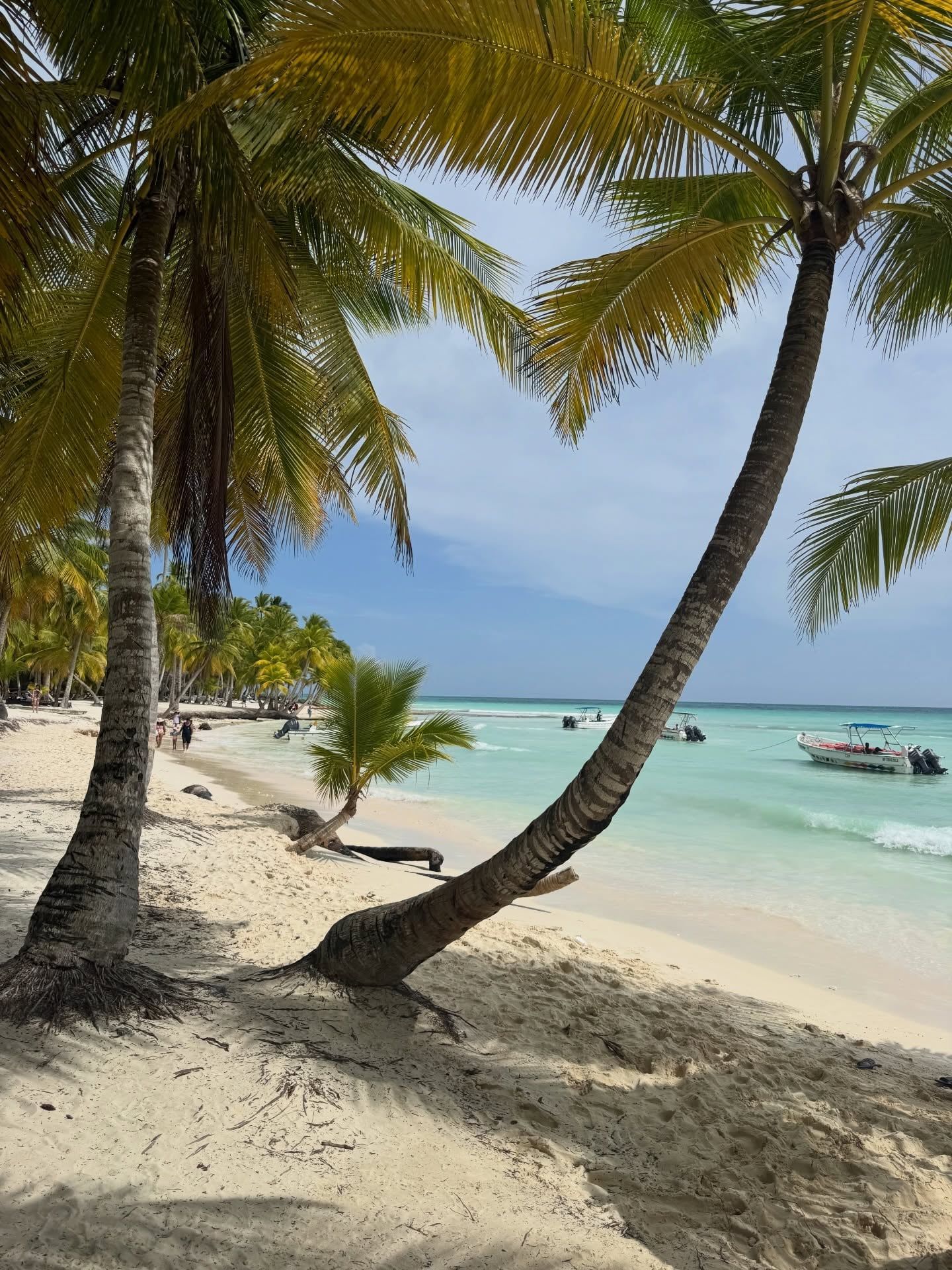
The island's untouched beaches served as the cinematic backdrop for major films like Pirates of the Caribbean and The Blue Lagoon.
It is the Dominican Republic's most important nesting site for endangered sea turtles, protected by a dedicated center in Mano Juan.
Strict national park regulations prohibit tourists from staying overnight, forcing all visitors to return to the mainland by sunset.
The tap water on the island is contaminated. Visitors must rely entirely on bottled or purified water to avoid severe stomach illness.
Lifting the wild starfish out of the Natural Pool deprives them of oxygen, killing them in seconds. Touching them is strictly illegal.
Inland water bodies like Los Flamencos lagoon feature striking red-brown water ringed by white foam, contrasting sharply with the blue ocean.
Before European arrival, the indigenous Taíno people used the flat terrain primarily to cultivate cassava for mainland settlements.
Shared group tours range from $75 to $120 USD per person. Basic budget options start around $60 USD, while private charters cost between $800 and $1,200 USD depending on the boat size.
A standard day trip lasts 8 to 9 hours. This includes 1.5 to 2 hours of transit time each way and 2 to 3 hours of actual beach time on the island.
No. The island is a protected national park, and overnight stays for tourists are strictly prohibited. All visitors must leave before sunset.
The island sits 19 kilometers south of the mainland peninsula in the La Altagracia province. Boats depart from the fishing village of Bayahibe on the southeast coast.
Swimming in the waist-deep water is safe, but you must never touch the starfish. Lifting them out of the water kills them quickly and violates local environmental laws.
Most tours include round-trip hotel transfers, boat transport, a stop at the Natural Pool, and beach time. They also provide a buffet lunch with chicken, rice, and open-bar drinks.
No. The island consists entirely of loose sand without paved paths or docks. Boarding the boats requires stepping directly into the water, making it inaccessible for wheelchairs.
December through April offers the best weather with sunny skies and calm seas. Visiting between May and November brings a higher risk of tropical showers and rough, bumpy boat rides.
Tap water is not safe to drink anywhere in the Dominican Republic. You must drink only bottled water and avoid ice or raw salads washed in local water.
The island is 70 to 90 kilometers from the Punta Cana resorts. Reaching it requires a one-hour bus ride to Bayahibe, followed by a 45-to-90-minute boat crossing.
Browse verified tours with free cancellation and instant confirmation.
Find Tours