About All Tours Catamaran ToursPrivate ToursFrom Punta Cana ToursBoat ToursSnorkeling ToursFrom Santo Domingo Tours Directions Hours & Fees
Find Tours 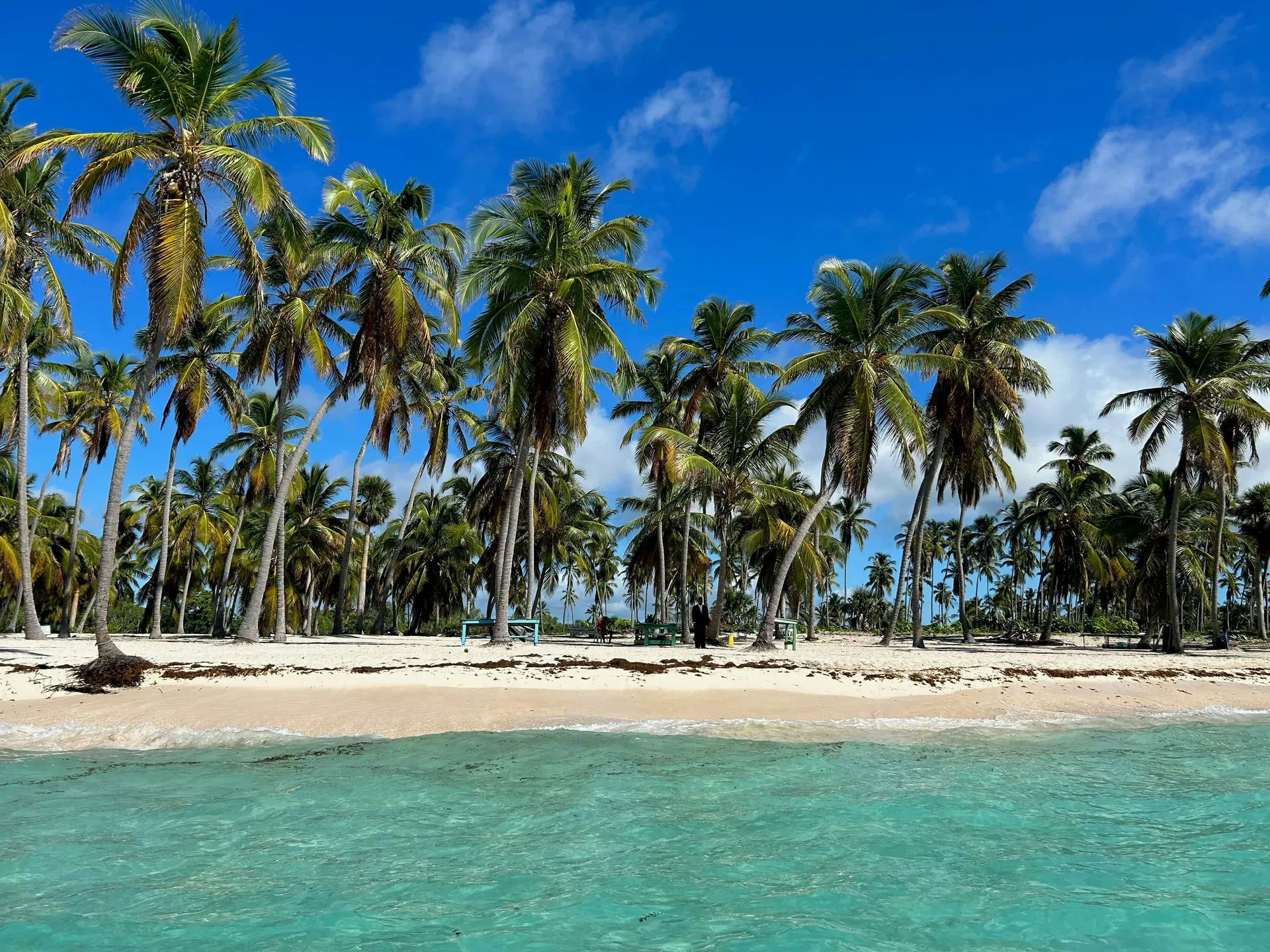
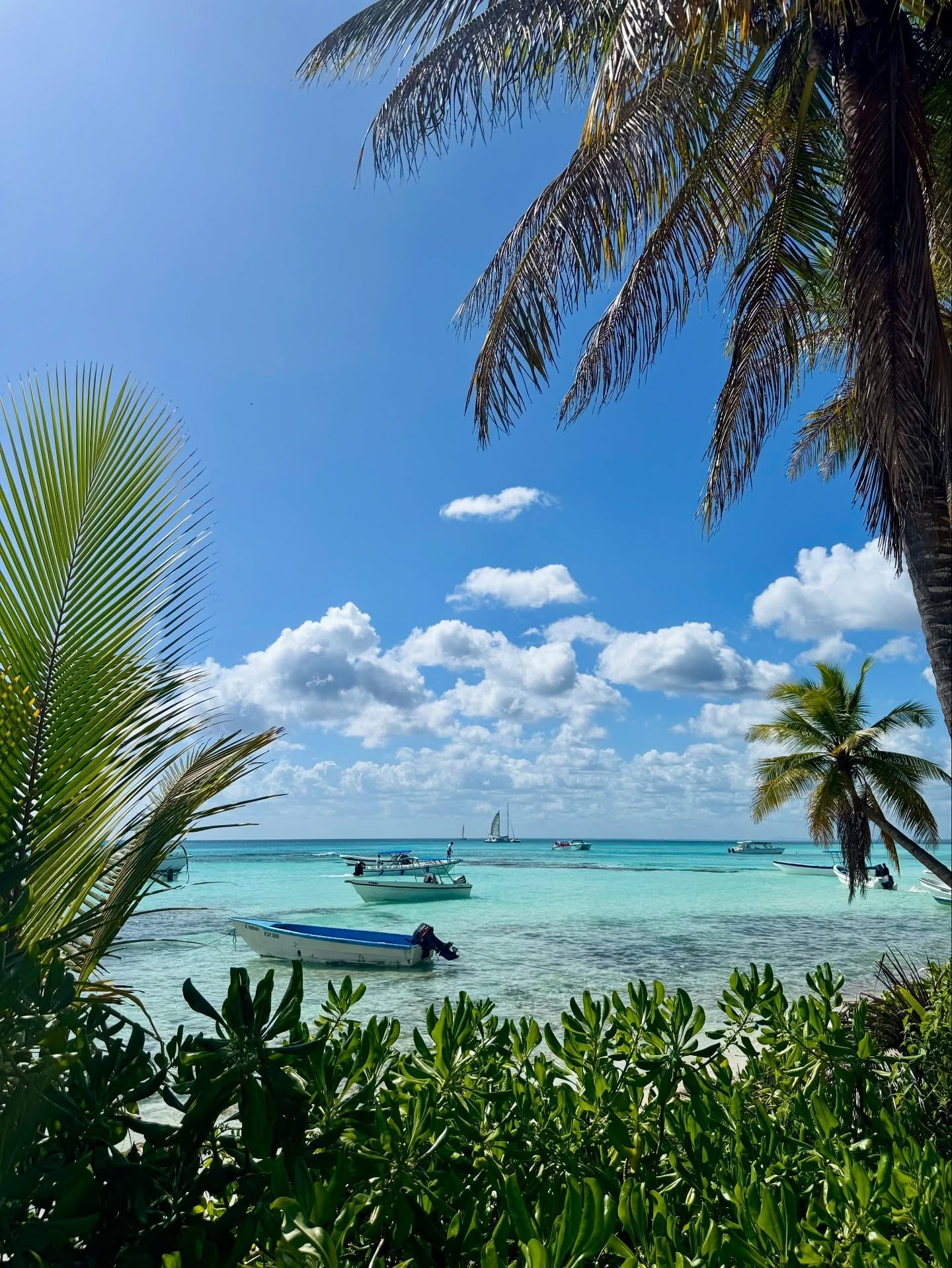
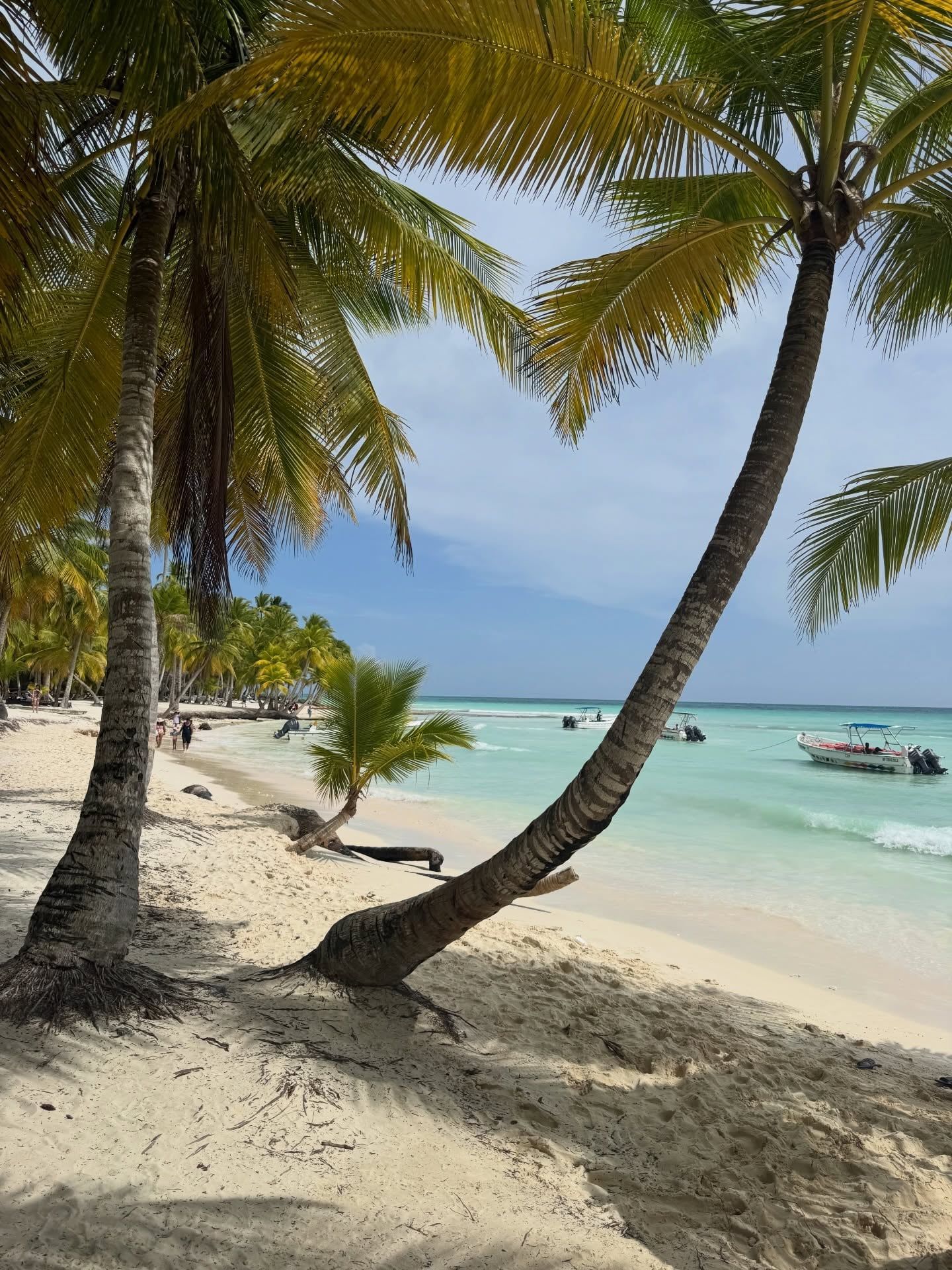
Saona Island is a 110-square-kilometer protected nature reserve located 19 kilometers off the Dominican mainland. Over one million annual visitors arrive by catamaran or speedboat to view endangered sea turtles and swim alongside wild starfish in the waist-deep waters of the Natural Pool.
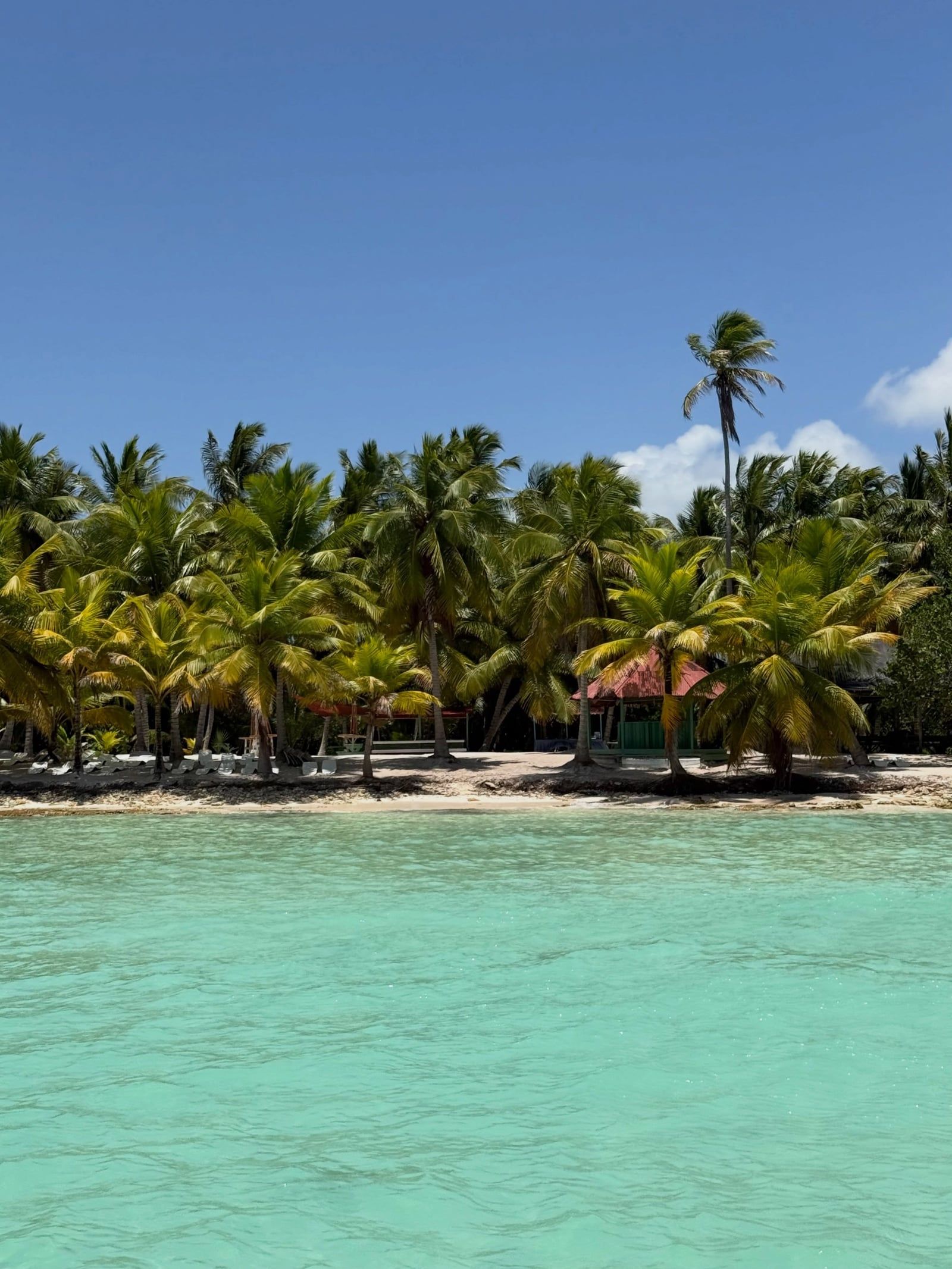
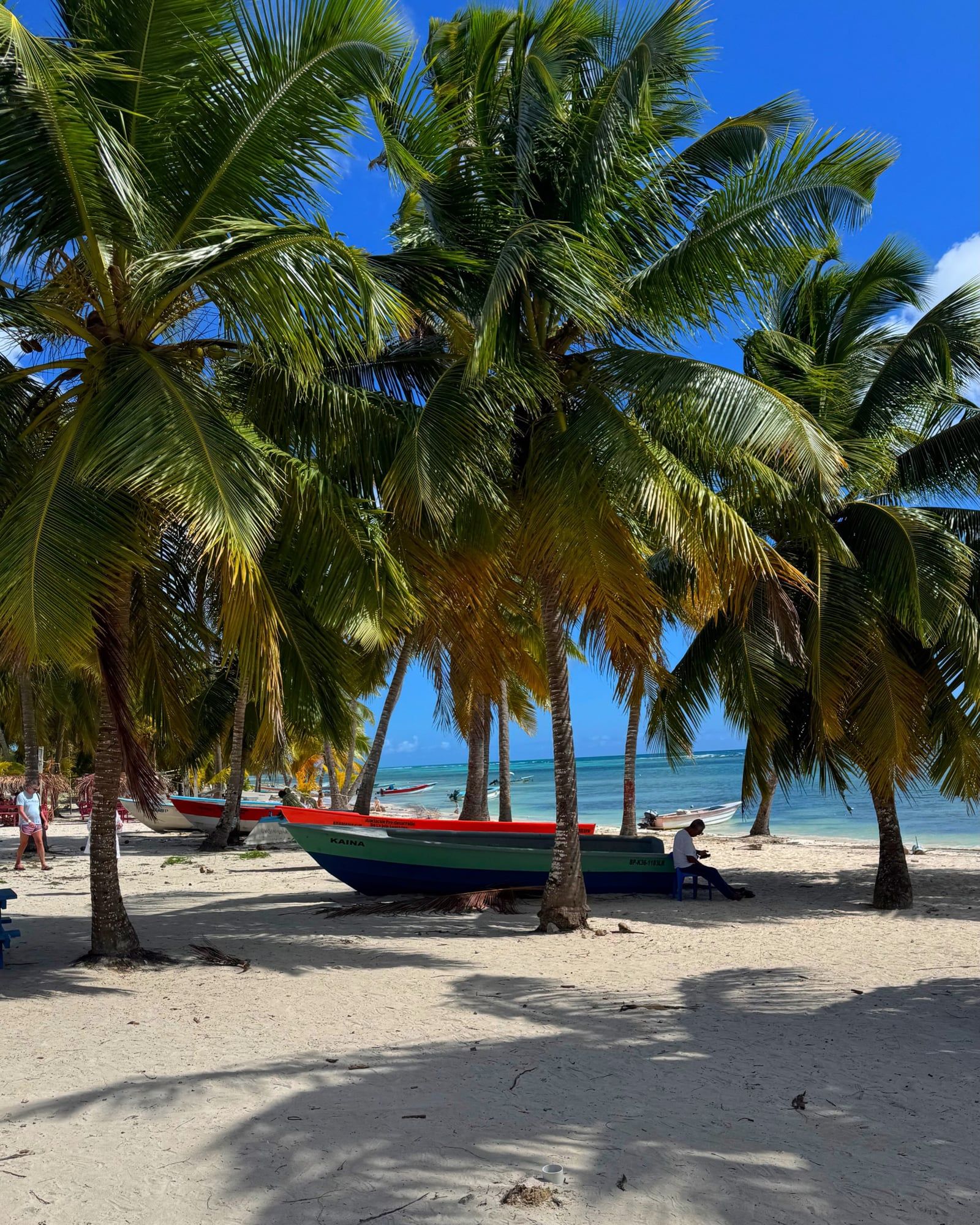
Find Guided ToursSaona Island is a 110-square-kilometer tropical island located 19 kilometers off the southeastern coast of the Dominican Republic. Situated in the La Altagracia province, the island features 47 kilometers of coastline and a flat terrain with a maximum elevation of just 35 meters. It is a government-protected nature reserve operating as a key section of the Cotubanamá National Park.
As the country's most visited protected area, the island accounted for forty-five percent of all national park visits in 2019. It serves as the Dominican Republic's most critical nesting site for endangered sea turtles, supported by conservation initiatives in the small fishing village of Mano Juan. The diverse landscape includes rugged northern cliffs, dense mangrove forests, and unique inland water bodies like the reddish-brown Los Flamencos lagoon.
Before European arrival, the indigenous Taíno people inhabited the island. They called the land Adamanay and heavily cultivated cassava to supply the mainland. Christopher Columbus landed on the island in May 1494 during his second voyage. He renamed it Bella Savonese to honor his Italian friend Michele da Cuneo, who was subsequently appointed as the island's first governor.
During the seventeenth century, the island's secluded coves and coastal caves became a notorious hideout for pirates and smugglers. To ensure its long-term environmental protection, the Dominican government officially integrated the island into the Cotubanamá National Park in 1975. Today, its pristine aesthetic continues to draw international attention, serving as a cinematic backdrop for Hollywood productions like Pirates of the Caribbean and The Blue Lagoon.
Discover the full history and cultural significance on our About page.
Stand in waist-deep, crystal-clear water on a shallow sandbar located far off the island's forty-seven-kilometer coastline. This specific spot allows you to safely relax in the middle of the Caribbean Sea. Look down to observe wild starfish resting on the sandy bottom, which must remain fully submerged.
Mano Juan hosts the country's most critical nesting site for endangered marine turtles. The local conservation center protects these nests. If you visit between June and November, you might witness tiny hatchlings being released into the ocean. The village itself houses just 300 permanent residents.
Walk through gnarled jungle branches to find this striking inland water body. Unlike the surrounding turquoise ocean, the lagoon features dramatic reddish-brown waters lined with large flakes of white foam. It creates a stark, post-apocalyptic atmosphere that draws nature photographers looking for unusual coastal landscapes.
Most standard group excursions conclude with a leisurely ninety-minute catamaran cruise back to the Bayahibe marina. Passengers can lounge on wide decks while listening to traditional Dominican music. The slow-moving boat provides an ideal vantage point to watch the Caribbean sunset over the water.
Hand-picked tours with free cancellation and verified reviews
 Free Cancellation 9h
  Free Cancellation 9h
  Free Cancellation 8h
  Free Cancellation 8h
  Free Cancellation 10h
  Free Cancellation 8h
  Free Cancellation 10h 30min
  Free Cancellation 10h
 The ideal time to visit Saona Island is during the dry season from December through April, which guarantees sunny skies and calm waters. Visiting between May and November brings a higher risk of rain and rough seas, though it coincides with the sea turtle hatching season.
March and April provide excellent dry-season conditions with calm seas and sunny skies. May marks the beginning of the rainy season, bringing higher humidity and occasional tropical showers.
These months fall within the rainy season, characterized by higher humidity, tropical showers, and rougher seas that make boat transits bumpy. However, visitors can witness baby sea turtles hatching.
Falling entirely within the rainy season, this period brings the highest risk of Atlantic storms and rough waters. Visitors might still catch baby sea turtles hatching in Mano Juan.
This is the optimal time to visit, characterized by the dry season's reliable weather. Expect comfortable temperatures, clear skies, and calm waters for a smooth boat crossing from Bayahibe.
Saona Island is open all day for visitors. Standard guided day trips operate from early morning, typically between 6:45 AM and 7:00 AM, and conclude in the late afternoon around 5:45 PM to 6:00 PM.
| Category | Price |
|---|---|
| Basic budget tour | $59 - $60 USD |
| Standard shared day-trip excursion | $75 - $120 USD |
| Premium or VIP tour | $120 - $160 USD |
| Private boat charter and luxury yacht | $800 - $1,200+ USD |
| Children | Reduced rates apply |
An official national park entry bracelet is required to access the Cotubanamá National Park reserve. This official entrance fee is typically included in the overall price of organized excursions provided by licensed tour operators.
For complete schedules and ticket prices, visit our Hours & Fees page.
Visitors typically reach Saona Island by traveling overland to the coastal village of Bayahibe, which serves as the primary departure point. From the marina, tour operators transport passengers across the 19-kilometer sea channel using speedboats, catamarans, or private charters.
📍 Cotubanamá National Park, La Altagracia Province, Dominican Republic
Travelers are collected early from Punta Cana hotels for a one to two-hour drive covering 70 to 90 kilometers to Bayahibe marina. Passengers then board a vessel for the 19-kilometer sea crossing. Most standard tours utilize a fast 45-minute speedboat ride to reach the island. For the return trip, operators typically switch to a slower 90-minute catamaran cruise featuring music and an open bar.
Visitors seeking a more comfortable transit can book premium excursions that utilize smaller boats. These tours follow the same land route to the Bayahibe departure point but offer a less crowded environment on the water. Passengers navigate the 19-kilometer stretch to the island with fewer people on board. This option provides a more relaxed pace compared to large standard groups while still including the national park entrance fee.
Chartering a private boat allows travelers to customize departure times and avoid large crowds entirely. These vessels leave directly from the Bayahibe marina and navigate the 12-mile sea channel to the reserve. Arriving early on a private vessel gives visitors access to the beaches before the midday rush of group tours. This option is ideal for those who require standing assistance or wish to control the itinerary.
For detailed transport options and routes, visit our Directions page.
Your choice of transport heavily impacts your physical comfort. Speedboats reach the island in just forty-five minutes but bounce violently over ocean waves, posing risks for older adults or travelers with back issues. Conversely, catamarans offer a much smoother ride. However, they sway slowly for up to two hours, which can easily trigger severe seasickness.
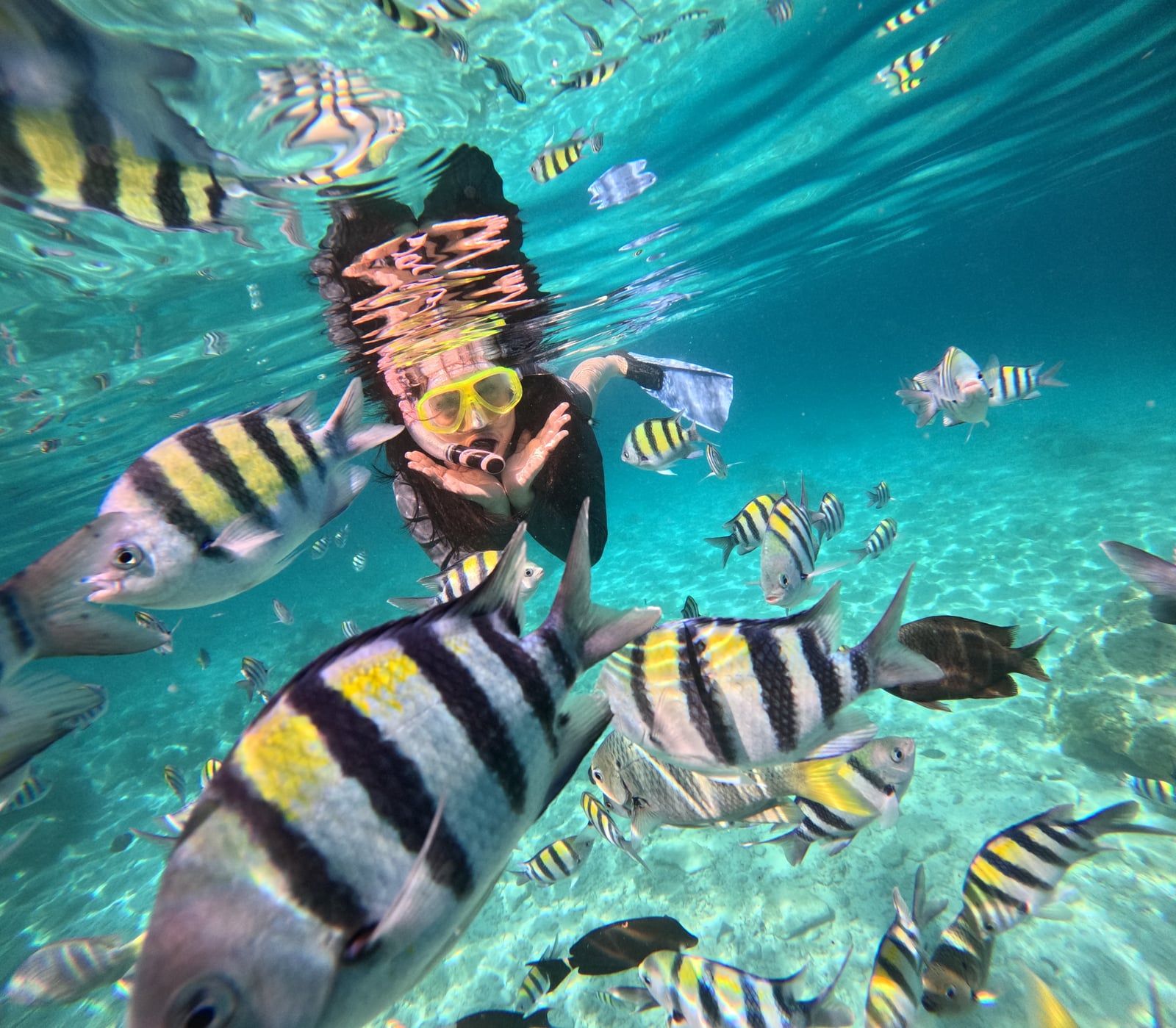
Tour operators stop at the waist-deep Natural Pool to observe wild starfish on the sandy bottom. You must leave them fully submerged in the turquoise water. Touching or lifting them out deprives these delicate marine creatures of oxygen. This strict local law prevents tourists from killing the starfish in a matter of seconds.
Standard day excursions include your buffet lunch and drinks, but you still need physical money. Bring small bills to tip the boat crew or purchase fresh coconut water. Cash is also necessary if you want to buy handmade souvenirs. You can find these local crafts in Mano Juan, a fishing village home to 300 permanent residents.
Standard group tours drop massive crowds at main areas like El Abanico Beach around midday. You can escape the heavy foot traffic by walking just a few hundred feet left or right of the main pier. This short stroll leads to quiet, secluded stretches of white sand. Alternatively, booking a private charter allows you to arrive early in the morning before large catamarans dock.
Protect your electronics with a high-quality waterproof phone case and a dry bag. The speedboat rides from the Bayahibe marina are often wet and extremely bumpy. Without proper protection, ocean spray can easily ruin your camera or phone. A sealed case also allows you to safely photograph marine life in the Natural Pool without risking water damage.
Protect the Cotubanamá National Park ecosystem by using only reef-safe sunscreen. Standard chemical sunscreens severely damage the local coral reefs and marine environments. You should also apply high-quality insect repellent when exploring inland areas. Midges and mosquitoes are common near the mangrove forests and Los Flamencos lagoon, carrying health risks like the Oropouche virus.
This recreated sixteenth-century Mediterranean village sits above the Chavón River. Visitors can explore cobblestone streets, an archaeological museum, and a massive 5,000-seat Greek-style amphitheater. The site provides spectacular architectural views.
This smaller, less-visited island provides a peaceful tropical alternative near Saona. It features extensive coral reefs that support some of the best snorkeling and scuba diving in the region.
Serving as the main departure point for Saona Island excursions, this fishing town features public beaches. Travelers can eat at excellent waterfront restaurants serving fresh, locally caught seafood.
Read what travelers share about their experience visiting Saona Island — from practical tips to personal highlights.
Standard shared group excursions from Punta Cana range from $75 to $120 USD per person, while budget options start around $59. Premium tours with smaller boats cost between $120 and $160 USD. These prices typically include the official national park entrance fee.
A typical day trip lasts between 8 and 9 hours, though visitors staying in northern resorts like Uvero Alto should expect an 11 to 12-hour itinerary. This timeframe includes one to two hours of land travel each way, boat transit, and 2 to 3 hours of actual beach time on the island.
Visitors first take a one to two-hour bus ride from their resort to the Bayahibe marina, covering 70 to 90 kilometers of land. From the marina, you cross 19 kilometers of sea to the island using either a 45-minute speedboat ride or a 90-minute catamaran cruise.
The island is a wild natural reserve made almost entirely of loose sand and lacks paved paths, adapted walkways, or wheelchair ramps. Standard group tours are not wheelchair accessible because boarding the boats requires manual transfers over waves. Private excursions can be customized for travelers who can stand with assistance, but the island does not have adapted bathrooms.
Bring comfortable swimwear, a sun hat, water shoes for sandy and rocky paths, and reef-safe sunscreen to protect the marine ecosystem. You should also pack a waterproof phone case or dry bag for the wet boat rides, plus small denominations of physical cash to tip the crew or buy souvenirs in Mano Juan.
Overnight stays for tourists are strictly prohibited. Because the island is a protected nature reserve within Cotubanamá National Park, all visitors must return to the mainland by the late afternoon.
Speedboat rides to the island bounce heavily over ocean waves and can cause back or neck injuries. Older adults or travelers with physical limitations are highly advised to book tours that use large catamarans instead. The catamaran provides a much smoother, relaxed two-hour ride.
Touching, lifting, or removing starfish from the water is strictly prohibited by local laws protecting the marine ecosystem. Removing them from the ocean deprives them of oxygen and can kill them in seconds, so visitors must keep them fully submerged and only take photos from above the water.
Browse verified tours with free cancellation and instant confirmation.
Find Tours